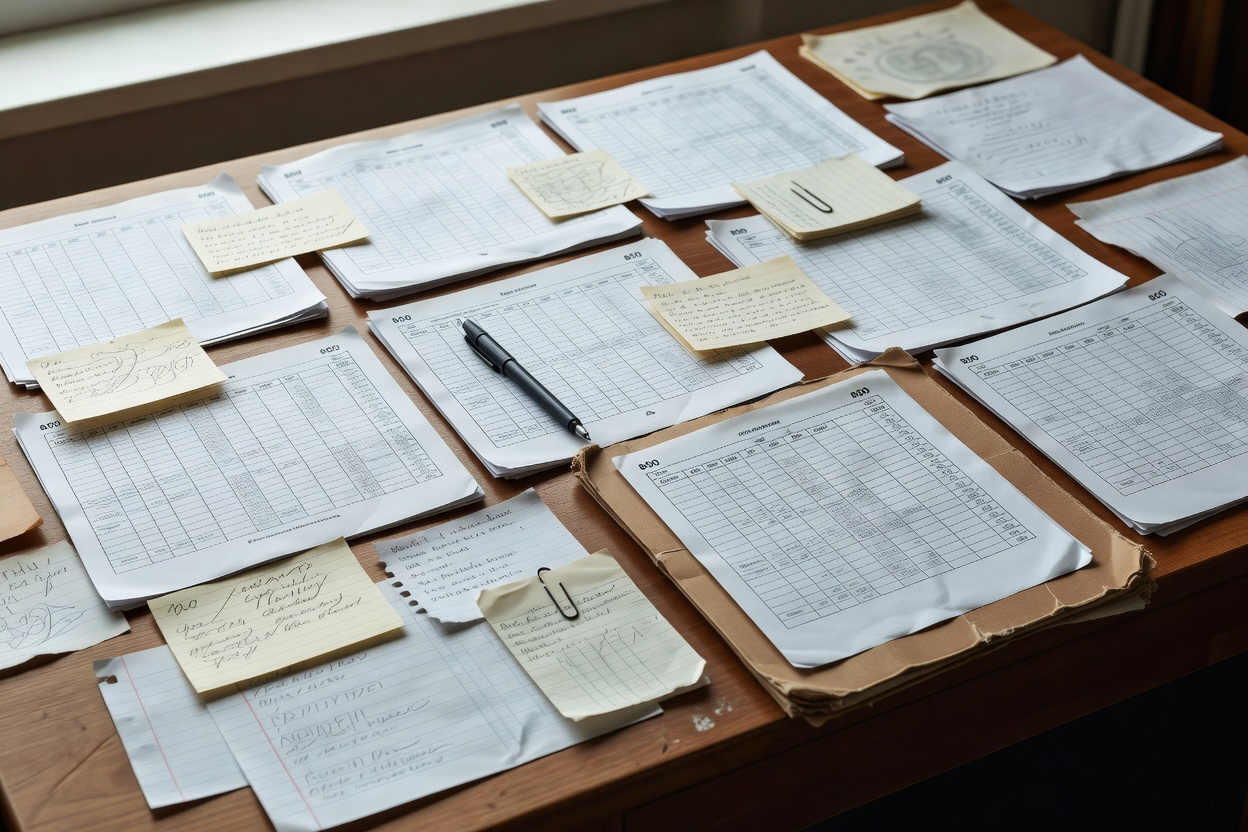
An archive should preserve what a record says, where it came from and whether it has changed. Search is useful only when the underlying fields are consistent and the result status remains visible.
Organize the record first
Give each archived entry a stable event identifier where a reliable source provides one. Keep event date, discipline, venue, session or run, competitor identifier, timing fields and publication status in defined fields. A record should also retain its source reference and any available publication or update date. Do not invent missing values to make the archive appear complete.
Separate event metadata from an individual result row. One event may have multiple sessions, runs or result groups. If those are stored as a single long text field, filtering becomes unreliable and corrections become difficult to target. Clear relationships let an archive show an event page and its associated records without duplicating the event details inconsistently.
Historical information needs careful labeling. The date when a race took place is different from the date when a record was entered, imported or corrected. Store those concepts separately where information is available. This helps explain why a record may have been updated later without implying that the event date changed.
Date, discipline and event lookup
Date filtering should use a consistent date format and let a reader choose a defined range. A filter can offer a year or a start-and-end interval, but it should state how dates are interpreted. Keep the displayed date readable after filtering. If the source supplies an event date without a precise start time, do not fabricate one.
Discipline filtering should use a controlled set of labels, with plain-language names available alongside abbreviations. The archive should not merge similar but distinct labels unless the source supports that mapping. Provide a clear reset action and preserve the chosen filters in the visible interface. Empty results should say that no matching records were found, not imply that no historical races existed.
Event lookup may use a published event name, date, location or source identifier. Search results should show enough context to distinguish records with similar names. Avoid treating a venue name as a unique event key. Keep punctuation, language variants and source spelling in the stored record when useful, while using a consistent searchable index for discovery.
Athlete lookup without ambiguity
An athlete lookup structure should rely on source identifiers or carefully managed identity records where available. Names alone may be shared, transliterated, changed or formatted differently. An archive should not merge two people based only on a similar name. If a reliable identifier is unavailable, preserve the original label and make uncertainty clear.
Search pages should distinguish a person index from event result rows. Do not create career totals, rankings or other statistics from incomplete records unless the method and data coverage are explicit. This site does not publish athlete profiles or historical race results. The guidance here describes a data model, not a populated archive.
Archived status and corrections
Preserve whether a result was provisional or final as recorded by its source. If the source later publishes a correction, link the changed record to its earlier version or retain an audit note. Show which version is being viewed. A correction should not silently disappear into the archive, because users may need to understand why two copies differ.
Duplicate records can occur through imports, repeated publications or different source formats. Use a stable identifier and source comparison to investigate duplicates. Do not delete a record simply because its visible text resembles another. It may refer to a separate session or a legitimate later version. Keep a record of merge decisions and the reason for them.
When an archive cannot confirm whether two entries match, keep them separate and flag them for review. A false merge can be harder to correct than a clearly marked uncertainty. Similarly, do not convert a blank time into zero or infer a final status from a finished-looking table.
Data consistency and navigation
Consistent capitalization, date handling, time formats and status labels improve search. Store source values faithfully, then present them in a predictable format. Document any transformation, especially when normalizing abbreviations. Table headings should describe their values. On narrow screens, allow a result table to scroll inside its own labelled region rather than creating page-wide overflow.
Archive navigation should offer a path from year or date range to discipline, event and individual result. Breadcrumbs or a clear return link help people keep their place. Filters should remain operable by keyboard and communicate their state to assistive technology. Result status and correction notices must not rely on color alone.
A reliable archive can explain its coverage: which sources it includes, what date ranges are represented, how corrections are handled and what fields may be missing. Do not imply completeness when coverage is partial. A gap in an archive is not evidence that an event did not occur.
Use archive records responsibly
Before quoting a record, confirm the event identity, discipline, date, status and correction notes. Keep source context with any excerpt. The results guide explains individual timing fields; the calendar guide explains schedules and their changes. This site provides structural information only and does not fabricate historical results.